
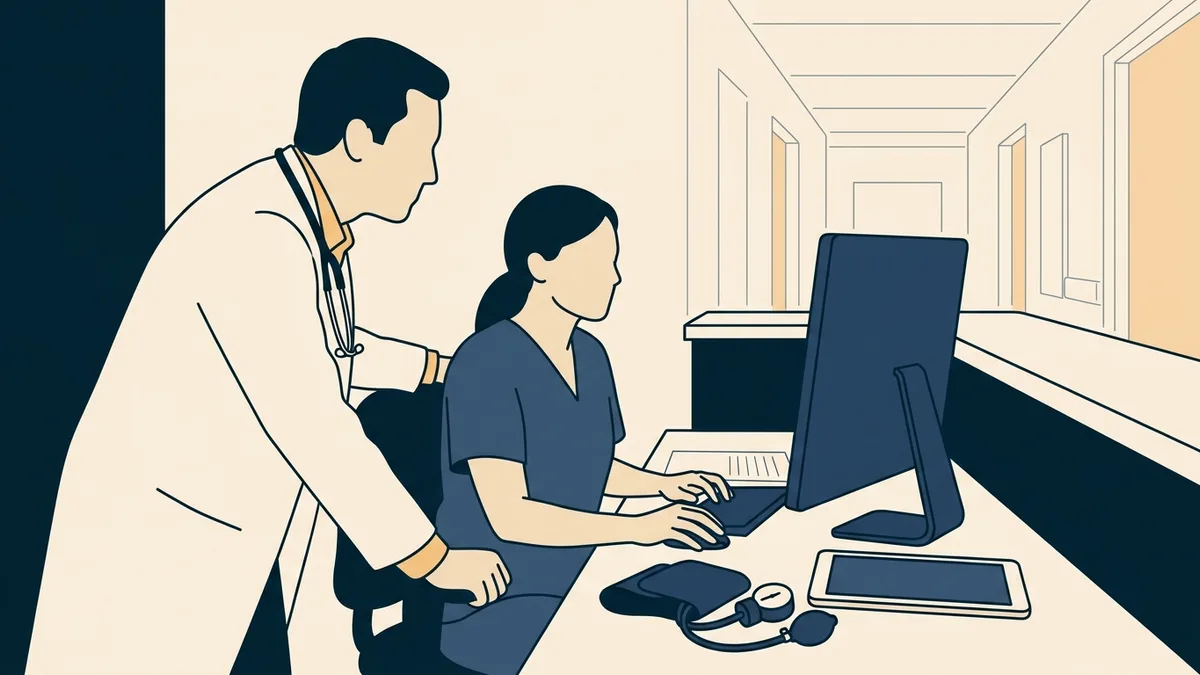
In the CY2027 physician fee schedule proposed rule, CMS proposed that from January 1, 2027 Medicare pay for RPM and RTM only when clinical staff are direct employees of the billing practitioner or practice, under general supervision and the incident-to rules. Staff need not be on site, but third-party monitoring companies' staff could no longer count.
In the CY2027 physician fee schedule proposed rule (91 FR 43842, published July 16, 2026), CMS proposed to pay for remote physiologic monitoring (RPM) and remote therapeutic monitoring (RTM) only when the services are furnished by clinical staff who are direct employees of the billing practitioner or the practitioner's practice. If finalized, beginning January 1, 2027, the RPM and RTM codes could not be billed for work performed by a third-party company's staff. CMS set a September 14, 2026 comment deadline and is expected to publish the final rule in early November 2026.
What exactly did CMS propose?
In CMS's words: "We are proposing to only allow payment for RPM or RTM services when furnished by clinical staff employed by the practice. To count the time spent by clinical staff providing aspects of RPM or RTM services, the clinical staff must be a direct employee of the practitioner or the practitioner's practice." The time could be counted if the staff are under the billing practitioner's general supervision, all other incident-to requirements at 42 CFR 410.26 are met, and the staff member is a direct employee.
CMS also said what the proposal would not require: staff would not have to be physically located in the practice, and the patient would not have to be on site.
Why did CMS propose it?
CMS described RPM and RTM services outsourced to third-party companies that work "via telephone and online contact only, using staff who have little to no established relationship with the beneficiary or other members of the care team." It cited OIG findings of companies cold-calling beneficiaries to solicit them for monitoring they may not need, and said outsourcing can fragment care and leave the billing practitioner with too little oversight to meet all the service elements of the codes. See what OIG found when it audited RPM.
Did CMS propose anything else for remote monitoring?
- Established patients for RTM. RTM would, like RPM, be limited to established patients.
- Initiating visit. The billing practitioner would have to furnish a separately reportable face-to-face visit, in person or by telehealth, at the onset of RPM or RTM, and discuss RPM or RTM at that visit.
- Valuation. CMS proposed new practice expense crosswalks for setup and device supply codes, saying it is concerned they are overvalued, and proposed removing practice expense inputs from the treatment management codes.
- A possible code overhaul. CMS sought comment on replacing the 17 remote monitoring codes with four G-codes (setup and monthly monitoring for RPM and for RTM), each month requiring at least 2 days of data and 20 minutes of management with a real-time interaction.
Who would be affected?
- Practices using a turnkey RPM vendor whose nurses do the monitoring calls and whose software generates the claims. This is the model the proposal targets.
- Practices using leased or staffing-agency nurses, depending on how "direct employee" is defined in the final rule. Ask counsel how your arrangement would be classified.
- Health systems and groups with their own care management staff would mostly need to confirm the employing entity matches the billing entity.
- Telehealth companies that bill RPM through an affiliated professional entity: the employment relationship would need to sit with the practice that bills, not the management company. See the friendly PC and MSO model.
How should practices prepare before the final rule?
- Map who does the work. For each RPM and RTM patient, which person makes the monitoring calls and reviews alerts, and who employs them.
- Read the vendor contract. Term, termination rights, and whether the vendor's fee depends on billed claims. A long contract signed now could lock you into a model that may stop being billable on January 1, 2027.
- Price the in-house option. Staff hours per enrolled patient per month, at your caseload, with the vendor's software kept as a tool rather than a service.
- Plan the initiating visit. Even if not finalized, discussing and documenting RPM at a face-to-face visit before enrollment answers OIG's concern about enrollees with no prior relationship.
- Watch the final rule. CMS may finalize, modify or withdraw the proposal. Put early November on the compliance calendar with a task to decide within two weeks.
Does this affect Medicare Advantage or commercial payers?
The proposal is a Medicare fee schedule payment rule. Medicare Advantage plans and commercial payers set their own policies, though many follow Medicare's lead on remote monitoring over time. Check each payer contract separately.
Our RPM Program Setup ($5,950) includes a staffing model that works under either outcome, and our Compliance Calendar & Rule Watch ($495 per month) flags the final rule the day it publishes. See pricing and setting up an RPM program.
Common questions
- Is the RPM direct employee rule final?
- No. It was proposed in the CY2027 physician fee schedule proposed rule published July 16, 2026, with comments due September 14, 2026. CMS is expected to publish the final rule in early November 2026 and may finalize, modify or drop the proposal.
- Would RPM staff have to work in the office?
- No. CMS said the proposal would not require clinical staff to be physically located within the practice or require the patient to be on site. It would require that the staff be direct employees of the billing practitioner or practice.
- What should practices using an RPM vendor do now?
- Map who performs the monitoring and who employs them, review the vendor contract's term and termination rights, price an in-house staffing option, and avoid signing long commitments until the final CY2027 rule settles the question.
Planning a Telehealth Service Line?
We research every state's rules for your service line, write the policies and consent forms, file telehealth registrations and keep it current, at published prices.